Motivation Theory
Origins
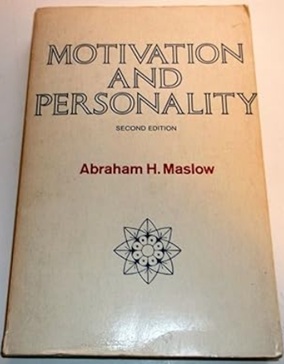
The theory originates from Abraham Maslow's research on what drives human motivation. Abraham Harold Maslow, an American psychologist, first published his theory in a 1943 article published in the Psychological Review, 50, 370-396. He further expanded his theory in his 1954 book (1st edition) and his 1970 revision (2nd edition) published the year of his sudden death, aged 62. The 3rd edition published in 1987 heavily edits the 2nd edition without input from Maslow.
Theory
The theory identifies needs such as physiological needs which unless fulfilled to the person's satisfaction level affects the person's ability to fulfil higher level needs such as self-actualisation. This implied a hierarchy of needs.
The needs were grouped under a number of categories which were expanded and reviewed in subsequent editions of his book.
The categories are - from the most basic needs upwards:
source: James Booth, A THEORY OF HUMAN MOTIVATION, A. H. Maslow (1943) (MASLOW'S HIERARCHY OF NEEDS) A Perspective Review of Common Misconceptions and Notes on the Revisions, written: 12 September 2024
The needs were grouped under a number of categories which were expanded and reviewed in subsequent editions of his book.
The categories are - from the most basic needs upwards:
- physiological needs which can be seen as the basic necessities for survival such as air, food, water, shelter, and sleep
- safety and security needs such as emotional, physical, sexual, and financial safety together with employment security, health, and property
- love and belonging needs such as intimate relationships, friendship, and a sense of belonging and be accepted by others
- esteem needs such as gaining respect through competency, recognition of value
- self-actualisation needs which may be understood as becoming the better version of what one can be; exploring and actualising to one's greatest potential; personal growth and a sense of purpose
source: James Booth, A THEORY OF HUMAN MOTIVATION, A. H. Maslow (1943) (MASLOW'S HIERARCHY OF NEEDS) A Perspective Review of Common Misconceptions and Notes on the Revisions, written: 12 September 2024
In our experience...
As an example derived from our support group, human beings involved in a domestic violence situation would have their focus switched on survival needs and very little concern about whether they are growing into their greatest potential. Supporting such beings includes working with them to address the areas of immediate needs: physiological, safety, and belonging through at least safe supportive connections.
The other aspect related to the theory is the identification of the physiological needs, safety, and love/belonging needs as primary needs to be met to a reasonable level.
This is the basis of our Back to Basics approach to living. Becoming aware and assuring you cover such needs for yourself and your dependents is a first step towards improving your wellbeing.
Interested in our Back to Basics approach to living?
The other aspect related to the theory is the identification of the physiological needs, safety, and love/belonging needs as primary needs to be met to a reasonable level.
This is the basis of our Back to Basics approach to living. Becoming aware and assuring you cover such needs for yourself and your dependents is a first step towards improving your wellbeing.
Interested in our Back to Basics approach to living?